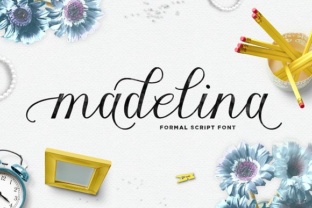
Madelina: A Script Handwritten Font for Editorial Design
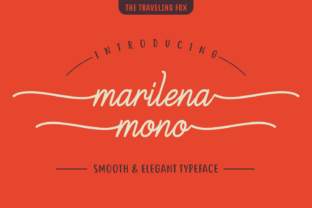
Madelina is a handwritten font created by Area Type, offering editorial designers and content creators a distinct visual voice that bridges the gap between personal authenticity and professional polish. In an era where digital attention spans are shortening, the choice of typography plays a pivotal role in establishing immediate trust and aesthetic appeal. As a Script Handwritten typeface, Madelina brings a human touch to static layouts, making it an ideal asset for bloggers, magazine editors, and independent publishers who seek to elevate their brand identity without sacrificing readability.
This analysis explores how Madelina can be strategically integrated into various publishing formats—from blog headers and newsletter graphics to ebook covers and printable worksheets. By understanding its stylistic nuances and practical applications, creators can leverage this Fonts collection to enhance reader engagement and maintain a cohesive visual narrative across all platforms.
Madelina for Blog Headers and Social Media Graphics
When designing eye-catching social media graphics or blog post headers, Madelina serves as a powerful display tool that commands attention. Its fluid strokes and organic rhythm mimic natural handwriting, which instantly creates a sense of intimacy and approachability with the viewer. For lifestyle bloggers, fashion editors, and creative entrepreneurs, using Madelina in large-scale headings allows them to inject personality into their digital real estate. Unlike rigid geometric sans serifs or overly ornate calligraphy scripts, Madelina strikes a balance that feels modern yet timeless.
In practice, this means you can use Madelina for main titles on Instagram carousels, Pinterest pins, or YouTube thumbnails. The script’s legibility ensures that even at smaller sizes or when overlaid on busy background images, the text remains readable. Pairing Madelina with a clean, minimal sans serif font for subheadings or body captions creates a striking contrast that guides the eye naturally through the composition. This pairing strategy is essential for maintaining hierarchy, ensuring that while the headline grabs attention, the supporting information remains clear and accessible.
Madelina in Ebook Covers and Digital Publishing
For authors and course creators, the cover of an ebook is often the first impression a potential reader has of your work. Madelina is exceptionally well-suited for fiction novels, memoirs, self-help guides, and creative non-fiction. The handwritten nature of the font suggests a personal story or a direct conversation with the reader, which can significantly increase click-through rates in crowded marketplaces like Amazon Kindle or Gumroad. When selecting fonts for digital publishing, it is crucial to choose one that reflects the tone of the content; Madelina’s elegant curves convey sophistication and warmth, making it perfect for genres that rely on emotional connection.
Beyond the cover, Madelina can be used for chapter openers, section dividers, and pull quotes within the interior layout. While it should generally be reserved for display purposes rather than long-form body text due to its artistic complexity, its strategic placement can break up dense paragraphs and add visual interest. For example, using Madelina for key takeaways or highlighted insights in a business guide helps these points stand out, encouraging readers to pause and absorb the message. This selective usage enhances the overall reading experience by creating a dynamic rhythm between structured text and expressive typography.
Madelina for Newsletter Branding and Email Marketing
Email marketing remains one of the most effective channels for nurturing audience relationships, and typography plays a critical role in defining the sender’s voice. Madelina can be used to create a recognizable brand signature in newsletters, particularly in the header logo, subject line accents, or closing sign-offs. By incorporating this Script Handwritten style into your email templates, you reinforce a consistent brand identity that feels handcrafted and curated. Subscribers are more likely to engage with content that feels personal, and Madelina’s organic lines help achieve that effect.
However, technical considerations must be taken into account when embedding custom fonts in HTML emails. Not all email clients support web fonts equally, so it is advisable to use Madelina primarily in graphic elements such as banners or logos, while relying on standard system fonts for the body copy to ensure maximum compatibility. Alternatively, if sending PDF attachments or rich-media newsletters, Madelina can be fully embedded to guarantee that the design renders exactly as intended across all devices. This dual approach allows creators to maintain high aesthetic standards without compromising deliverability or accessibility.
Madelina in Printable Guides, Worksheets, and Planners
The rise of digital products such as printable planners, budget trackers, and educational worksheets has created a new demand for versatile, commercially licensed fonts. Madelina is an excellent choice for these materials because it adds a touch of elegance to functional designs. Whether you are creating a wedding planning checklist, a fitness journal, or a student study guide, using Madelina for titles and instructional headers can make mundane tasks feel more enjoyable and organized. The font’s clarity ensures that users can easily read instructions, while its stylish appearance makes the final product feel premium and shareable on social media platforms like Pinterest.
When designing printables, consistency is key to creating a cohesive product suite. Madelina can serve as the primary display font across multiple templates, from cover pages to internal sections. To maintain readability, pair it with a highly legible serif or sans serif font for the actual data fields and detailed text. This combination leverages the strengths of both typefaces: Madelina provides visual flair and brand recognition, while the secondary font ensures that the content is easy to digest. Additionally, checking the included styles and alternates in the Madelina package can help you add variety to your designs, preventing visual monotony in longer documents.
Madelina for Magazine Covers and Editorial Layouts
Magazine editors and publication designers often struggle to find a script font that works well alongside traditional serif body text. Madelina fills this niche by offering a contemporary alternative to classic calligraphy. It pairs beautifully with modern serif fonts, creating a sophisticated editorial look that is common in high-end lifestyle and fashion publications. The contrast between the structured lines of a serif font and the flowing curves of Madelina creates a visually compelling tension that draws the reader’s eye to the masthead and feature headlines.
In editorial design, the goal is to guide the reader through the content seamlessly. Madelina can be used for pull quotes, sidebars, and decorative elements to break up large blocks of text. Its handwritten quality adds a layer of humanity to the publication, reminding readers that there are real people behind the words. This is particularly effective in opinion pieces, interviews, and personal essays, where the tone is conversational and intimate. By integrating Madelina into your editorial toolkit, you can create layouts that feel both professionally designed and personally authored.
Commercial Licensing and Practical Implementation
Before incorporating Madelina into any commercial project, it is essential to review the licensing agreement provided by Area Type. Most premium fonts come with specific terms regarding usage in digital downloads, client work, and mass-produced print materials. Understanding these guidelines protects your business from legal issues and ensures ethical use of creative assets. Whether you are selling ebooks, creating templates for other designers, or producing paid newsletters, having the correct license allows you to use Madelina confidently across all your distribution channels.
Furthermore, testing the font in various contexts is crucial before finalizing your designs. Check how Madelina renders on different screen sizes, especially for mobile-first content. Ensure that the contrast between the script and background colors meets accessibility standards, and verify that the font file size does not negatively impact page load speeds if used on websites. By taking these practical steps, you can maximize the effectiveness of Madelina as a design asset, ensuring that it enhances your content rather than hindering it. Ultimately, investing in high-quality typography like Madelina is an investment in the perceived value and professionalism of your brand.